

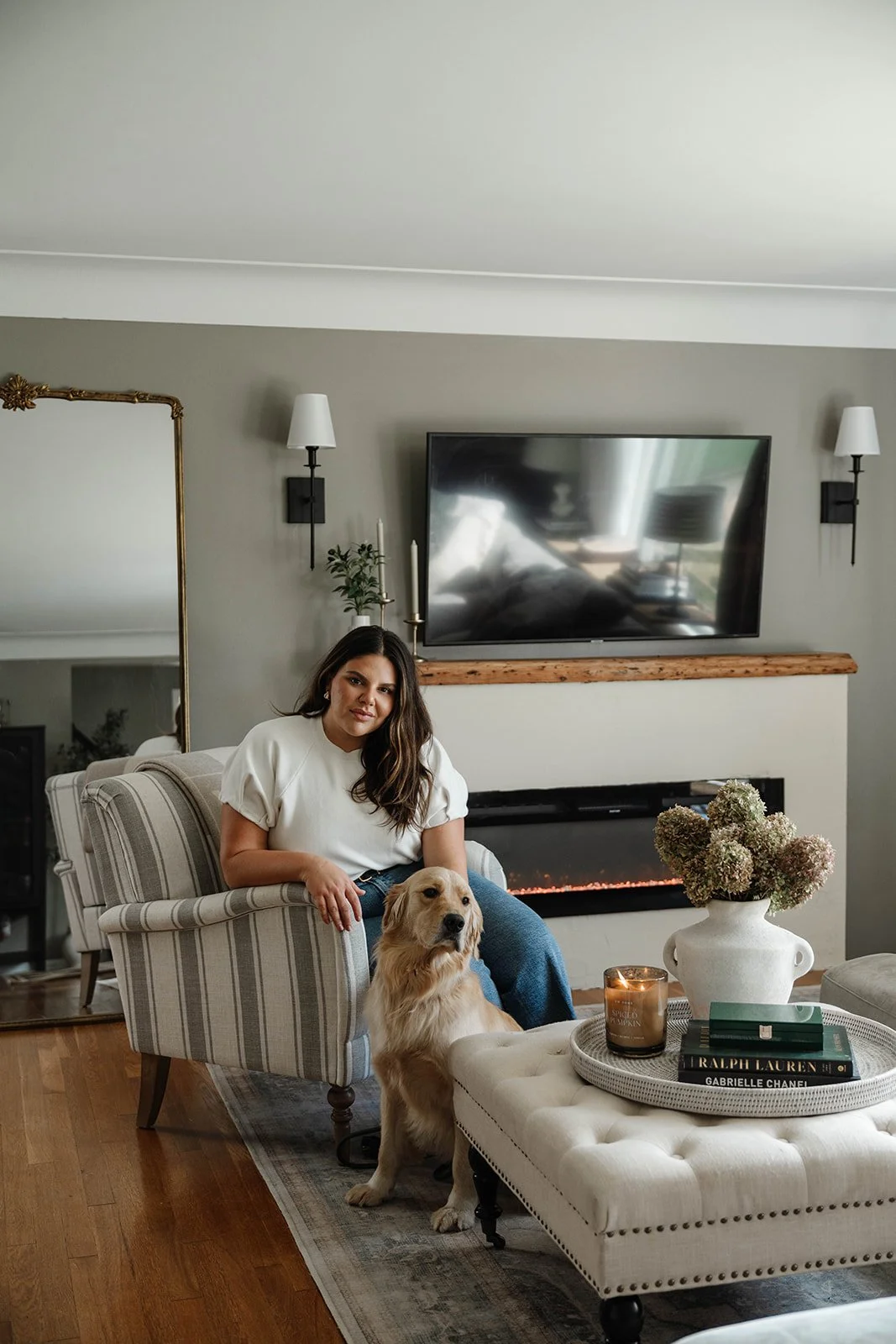
There is a moment in every design project when I ask a client a question that has nothing to do with paint colors or furniture layouts:
HOW DO YOU ACTUALLY LIVE HERE?
Not how you wish you lived. Not how a perfectly styled room looks online. But the real, everyday version; slow mornings, busy evenings, muddy paws, impromptu dinners, quiet cups of coffee, family movie nights, and the occasional pile of laundry that didn’t quite make it upstairs.
Great design doesn’t begin with trends. It begins with life.
START WITH FUNCTION, ALWAYS
Every room should earn its keep. Before we talk about aesthetics, we talk about purpose. Is this living room meant for entertaining, or is it where you decompress at the end of the day? Does your dining room host large gatherings, or is it more often used for homework and weeknight meals?
Function doesn’t limit beauty… It enhances it. When a space supports how you move through it, how you gather, and how you rest, it naturally feels better to be in.
HOW DO YOU SPEND YOUR TIME?
Your home should reflect your rhythms. If weekends mean hosting friends, comfortable seating and durable materials matter. If your evenings are quieter, layered lighting and cozy textures take priority. If you work from home, your space should energize you during the day and allow you to mentally “clock out” at night.
Designing well means paying attention to the moments that make up your life, and designing for those moments first.
WHO LIVES HERE?
Homes are personal because people are personal. A household with young children has different needs than a couple whose kids are grown. Pets change how we think about materials, layouts, and longevity. High-traffic areas require finishes that wear beautifully, not delicately.
A well-designed home doesn’t fight your lifestyle, it supports it effortlessly.
PLACE MATTERS
Where you live should influence how your home feels. A historic home in the Northeast calls for a different sensibility than a coastal retreat or a city residence. Climate, architecture, and surroundings all play a role in shaping spaces that feel grounded and intentional.
When design responds to place, it feels timeless rather than imposed.
BEAUTY THAT LASTS
Designing for the way you live also means thinking long-term. Choosing pieces that age well, layouts that adapt, and materials that patina rather than perish. A home should evolve with you, never feel precious or untouchable.
The most beautiful interiors are the ones that are lived in, loved, and layered over time.
THE GOAL
At Mackenzie Marx Interiors, the goal is never to create a house that looks good for a moment. It’s to create a home that feels right for years, one that reflects who you are, how you live, and where you’re headed.
Because the best design isn’t just something you see.
It’s something you live in, every single day.